Structural Partitioning (Substructuring)
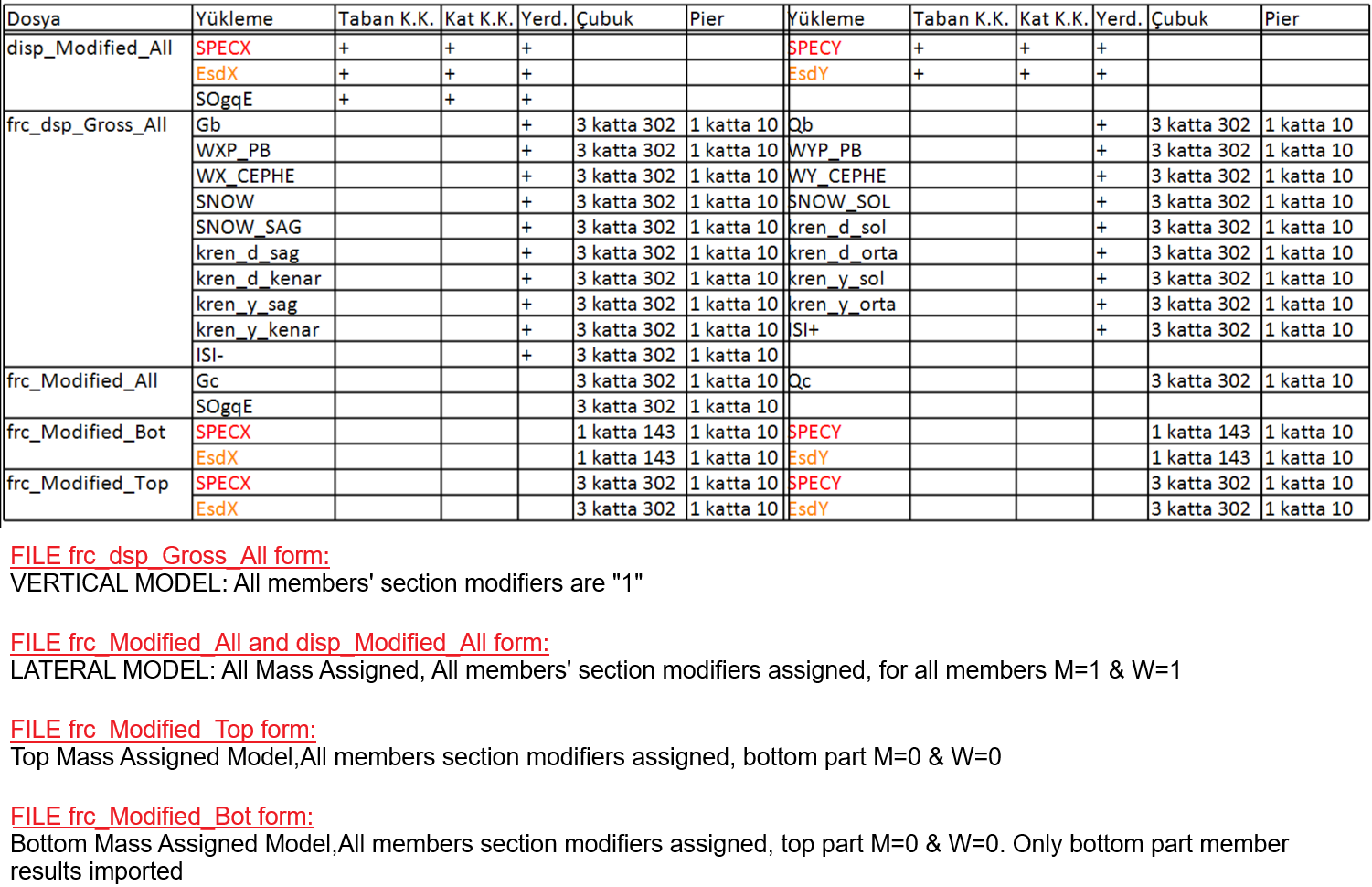
This command allows for the partitioning of the structure, primarily aimed at complying with section "4.3.6. Use of Different R and D Coefficients for Upper and Lower Parts of Buildings". Various approaches can be applied when analyzing such structures. The following models can be utilized in calculations to ensure the soil-structure interaction is maintained:
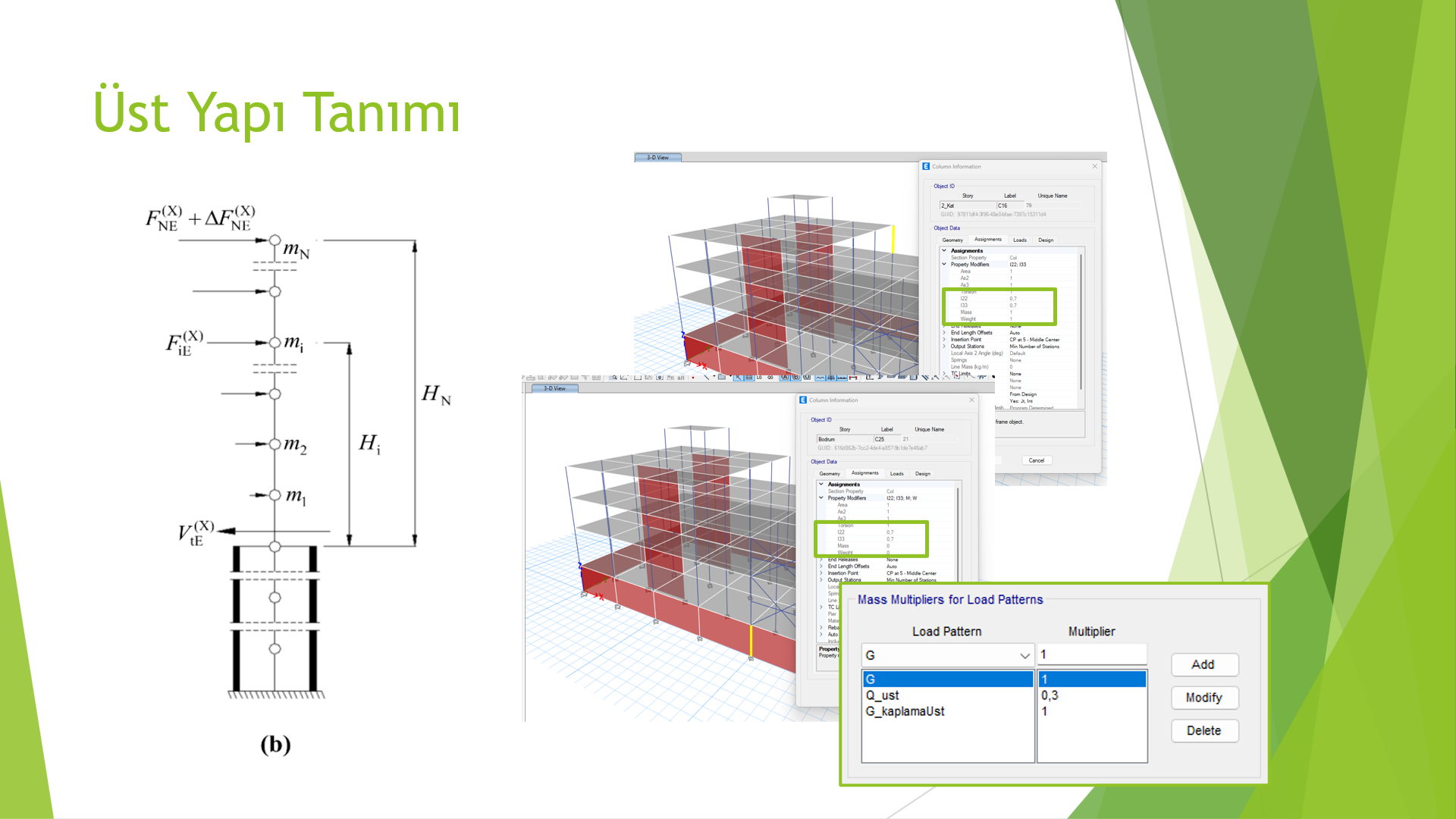
- UPPER MODEL: A model where effective section stiffnesses are defined and masses are assigned only above the basement. This model provides internal forces resulting from seismic loads and vertical loads for seismic combinations.
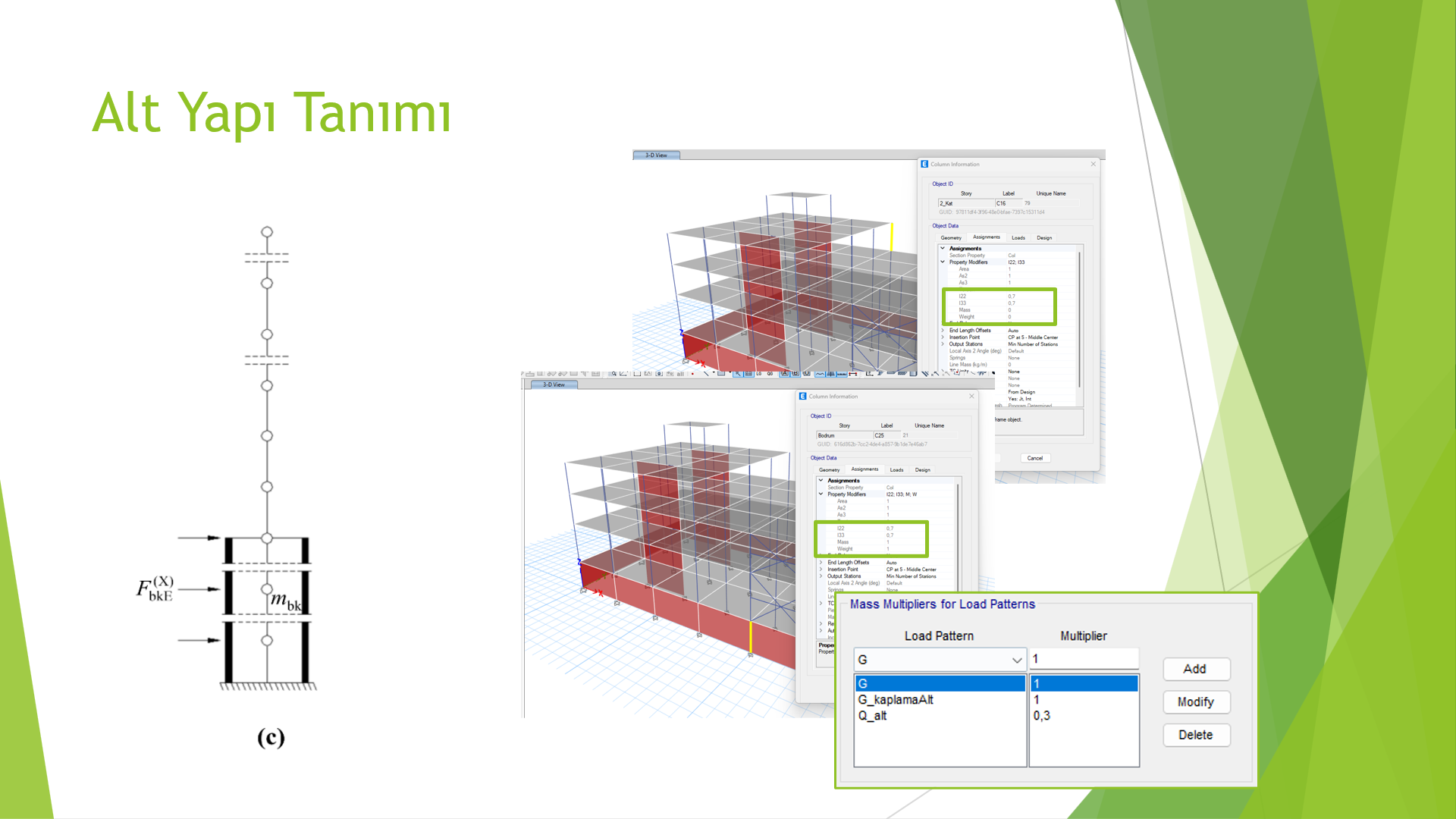
- LOWER MODEL: A model where effective section stiffnesses are defined and masses are assigned only within the basement. This model provides seismic loads for basement elements only, which are then added to the "UPPER MODEL" seismic loads.
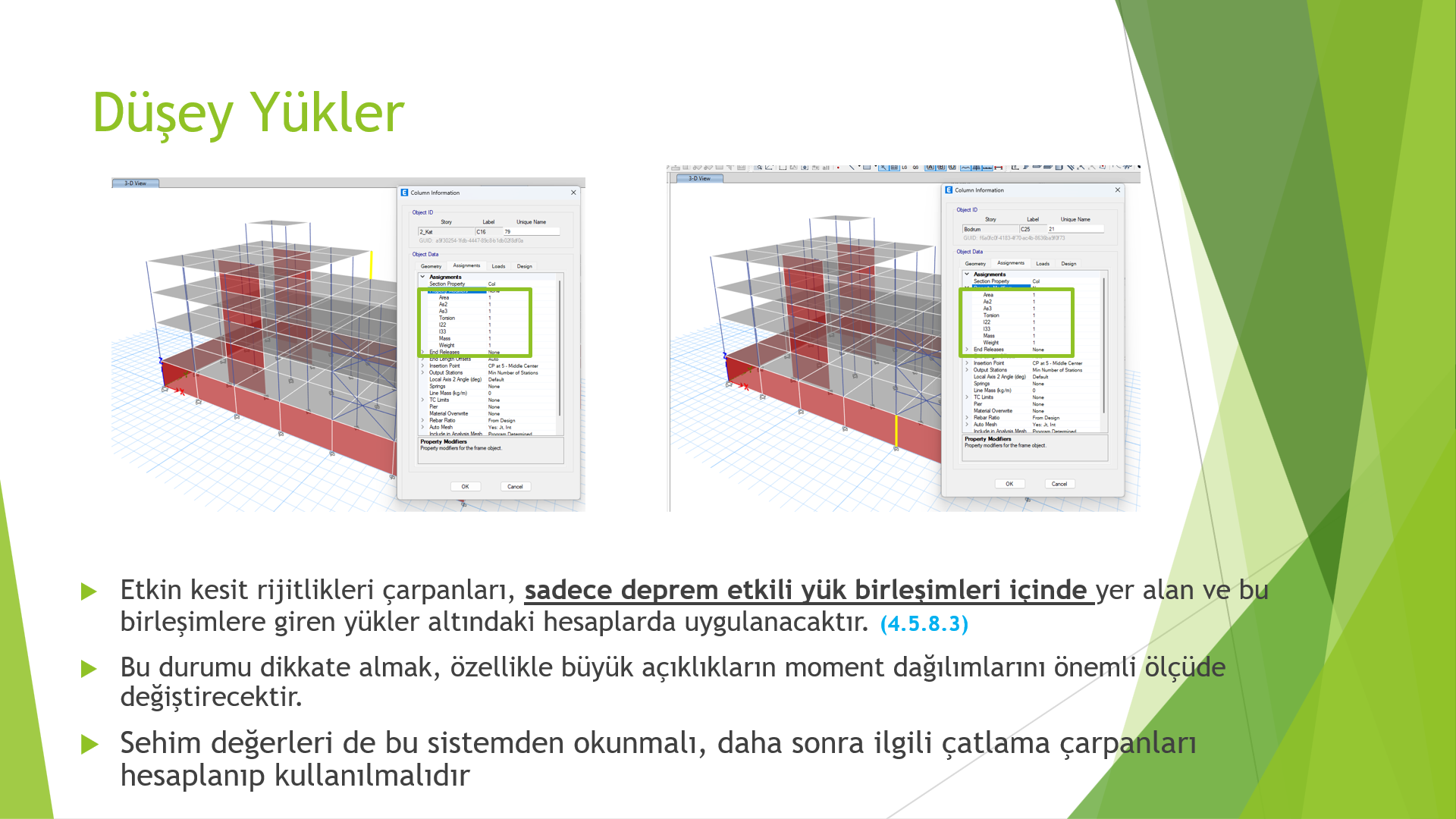
- VERTICAL MODEL: Effective section stiffnesses are NOT defined. This model provides internal forces from vertical loads for non-seismic combinations. It also provides joint displacements under vertical effects for calculations requiring total structure deformation, such as deflection checks.
- HORIZONTAL MODEL: Effective section stiffnesses are defined and masses are assigned to the entire structure. This model provides joint displacements under seismic effects for checks requiring total structure deformation, such as relative story drift control.
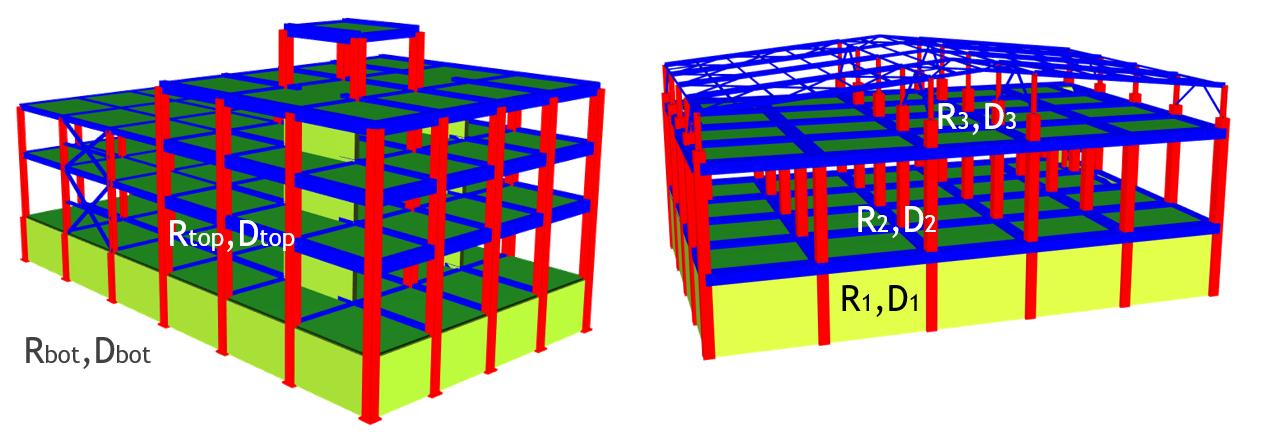
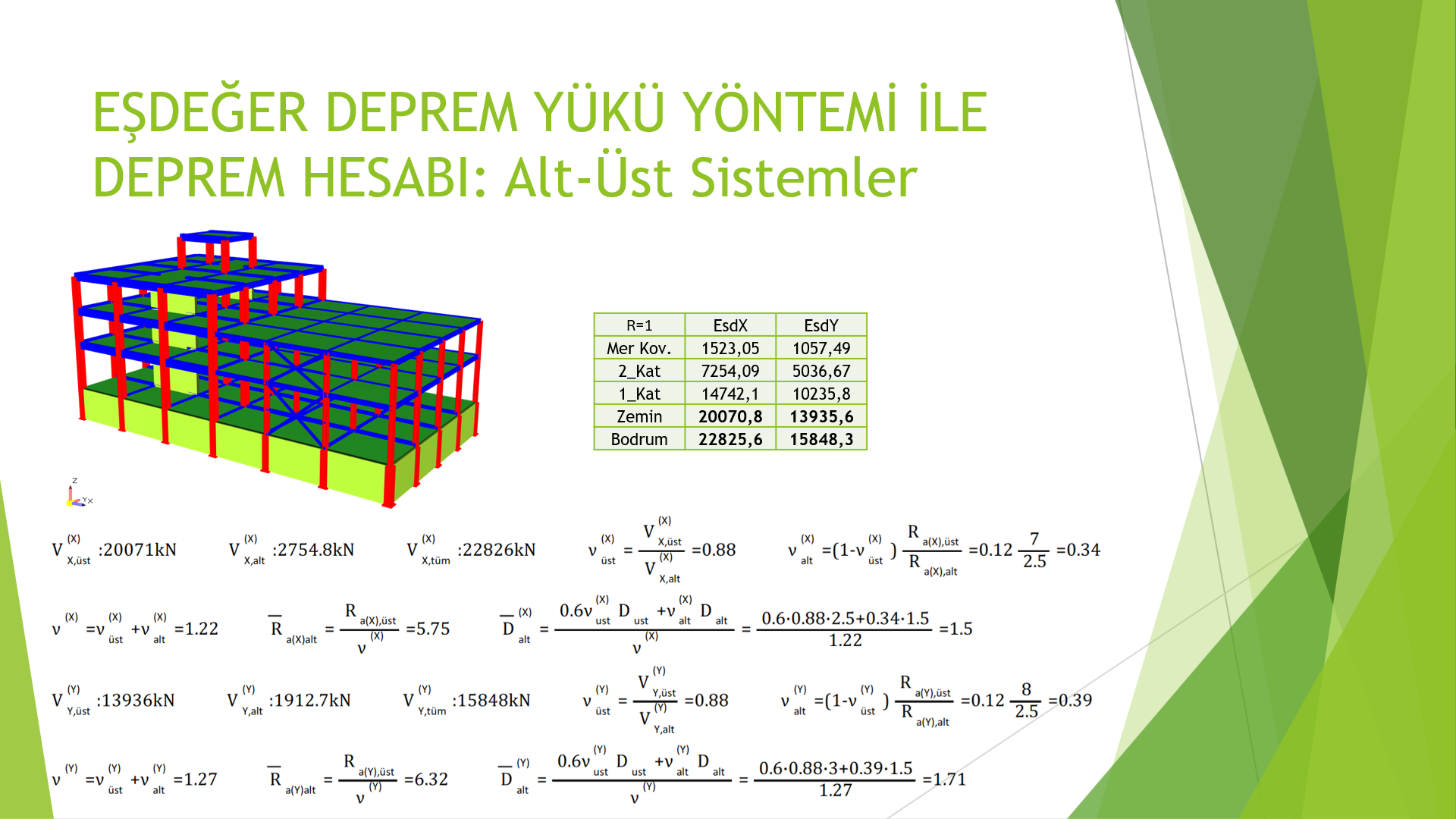
Analyze the file with uniform R and D coefficients (typically $R=1$ and $D=1$) for the entire structure and with all masses active. Obtain the story shear forces from this analysis. For example, for a building with 1 basement and 4 stories above:
| R=1 | EsdX | EsdY |
|---|---|---|
| Story 3 | 1523.05 | 1057.49 |
| Story 2 | 7254.09 | 5036.67 |
| Story 1 | 14742.1 | 10235.8 |
| Entrance | 20070.8 | 13935.6 |
| Basement | 22825.6 | 15848.3 |
Based on these forces, when the following lines are entered into the StructPlus design script (Sequence: Vxtop, Vytop, Vxall, Vyall, Rxtop, Rytop, Rxbot, Rybot, Dxtop, Dytop, Dxbot, Dybot)
| A | B | C | D | E | F | G | H | I | J | K | L | M | N |
|---|---|---|---|---|---|---|---|---|---|---|---|---|---|
| YapiGenel | UstTum_VRD | 20070.8 | 13935.6 | 22825.6 | 15848.3 | 7 | 8 | 2.5 | 2.5 | 2.5 | 3 | 1.5 | 1.5 |
The program calculates R and D in the seismic report as follows:
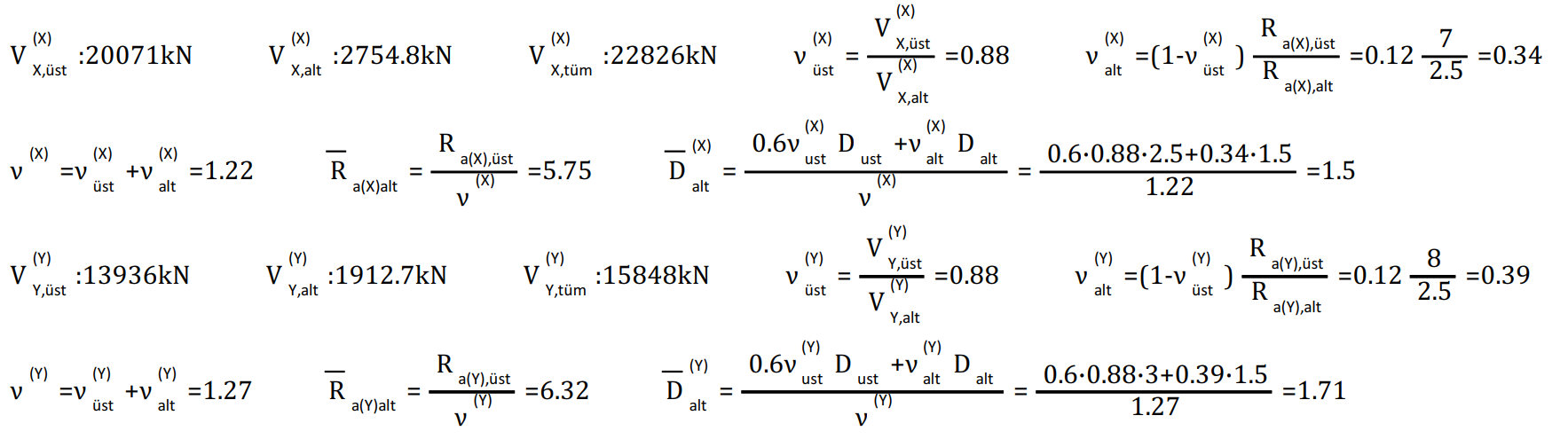
If you wish to partition the structure based on this calculation, define mass source names in the ETABS file ending with "hepsi" (all), "ust" (top), and "alt" (bot). You can also use the English abbreviations "all", "top", and "bot":
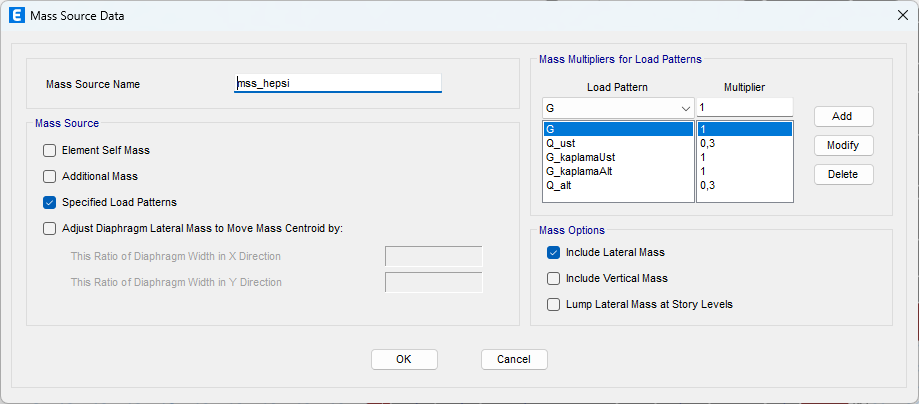
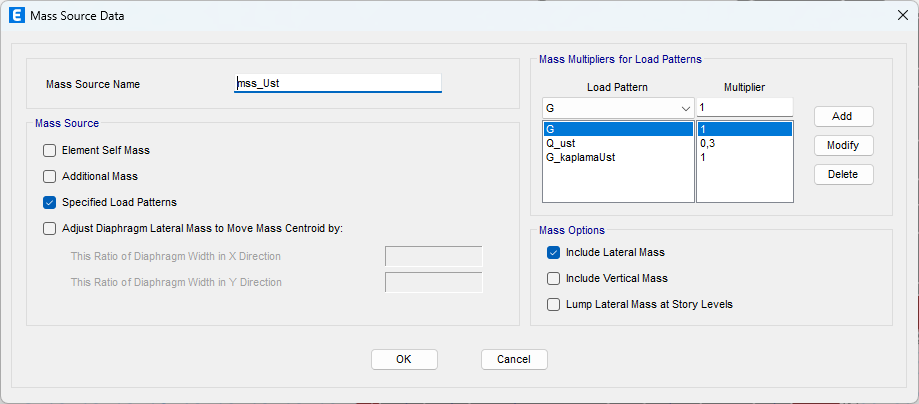
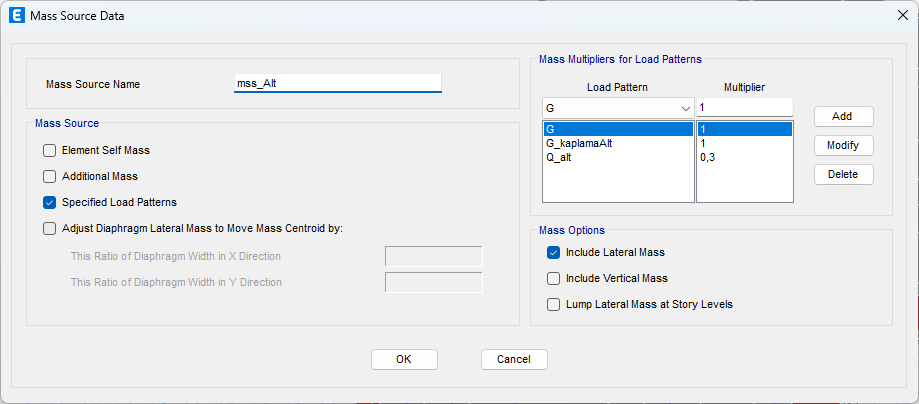
Additionally, update the design script as follows:
| A | B | C | D | E | F | G | H | I | J | K | L | M | N |
|---|---|---|---|---|---|---|---|---|---|---|---|---|---|
| RDKatX_d | 5.75 1.5 | 7 2.5 | 7 2.5 | 7 2.5 | 7 2.5 | ||||||||
| RDKatY_d | 6.32 1.71 | 8 3 | 8 3 | 8 3 | 8 3 | ||||||||
| YapiGenel | UstTum_VRD | 20070.8 | 13935.6 | 22825.6 | 15848.3 | 7 | 8 | 2.5 | 2.5 | 2.5 | 3 | 1.5 | 1.5 |
| YapiGenel | KutleAyir | 1 4 |
If you want the response spectrum loads to be updated as well, prepare the spectra as follows:
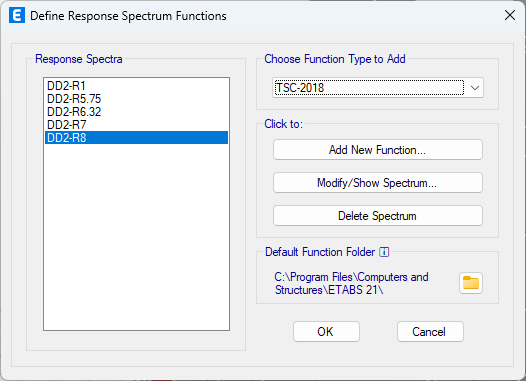
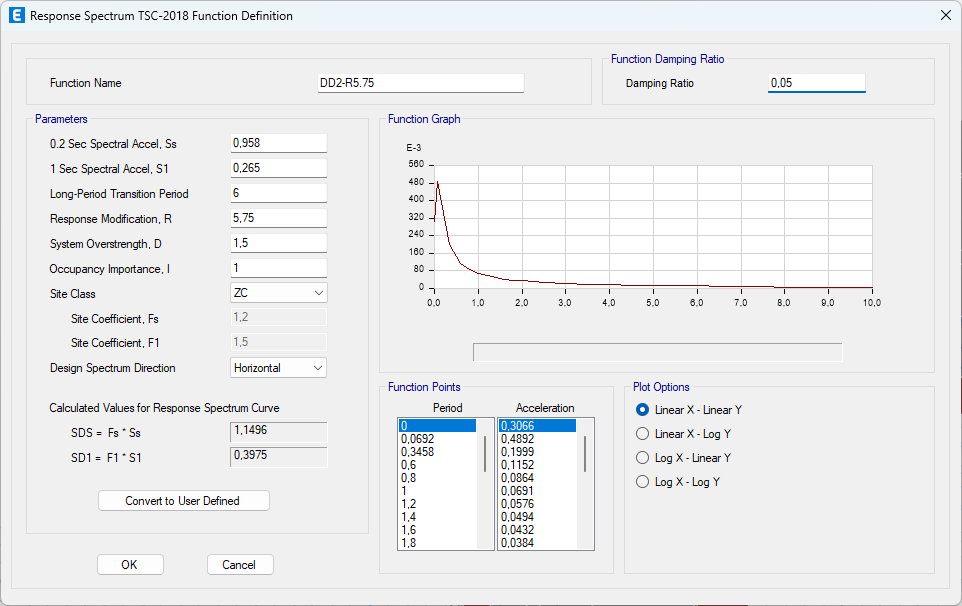
After completing these preparations, run the "Structural Partitioning" command in the StructPlus software:

Select the file to be partitioned and the script file. The program will run and generate the following files:
- Upper and lower structural models where masses are defined only at relevant stories.
- Analysis model for vertical loads with effective stiffnesses removed.
- Analysis model with masses defined for the entire structure, typically used for displacement checks.
Once the files are analyzed, the following outputs are generally obtained:
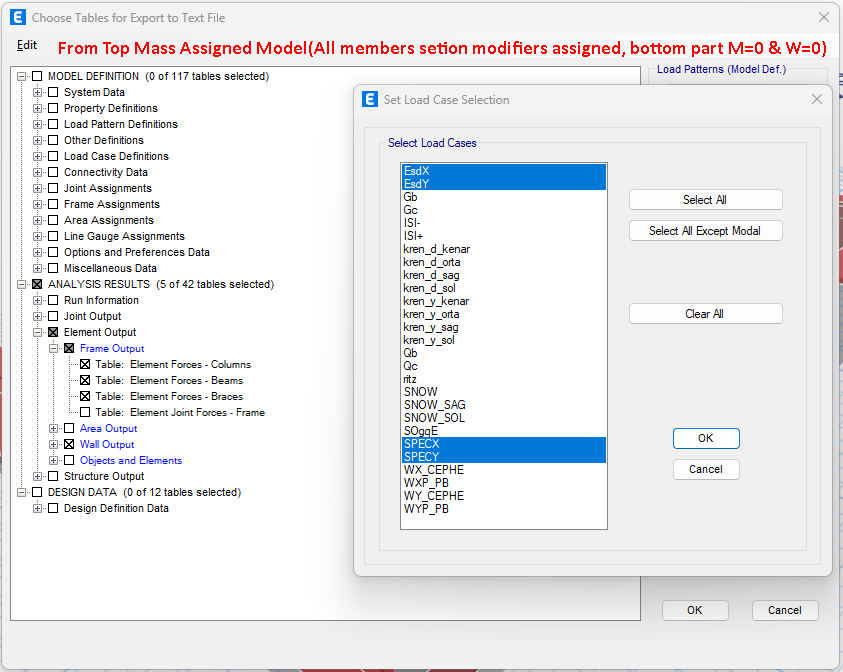
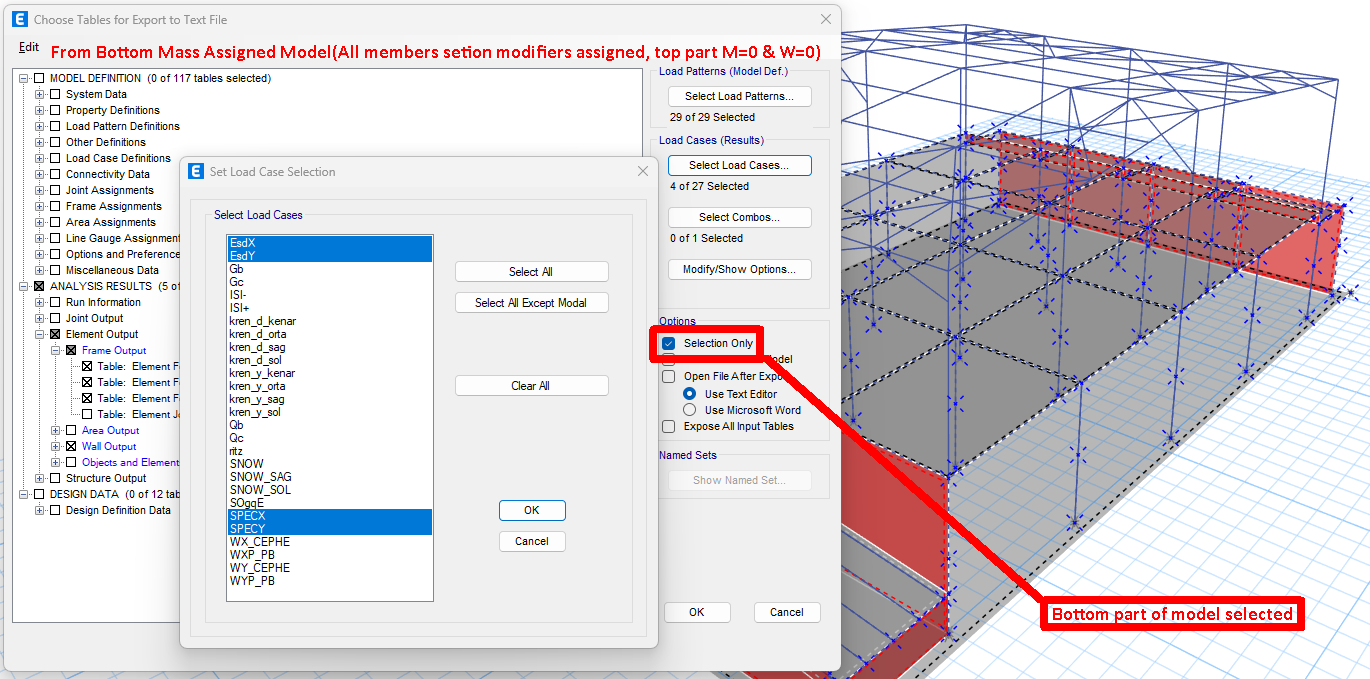
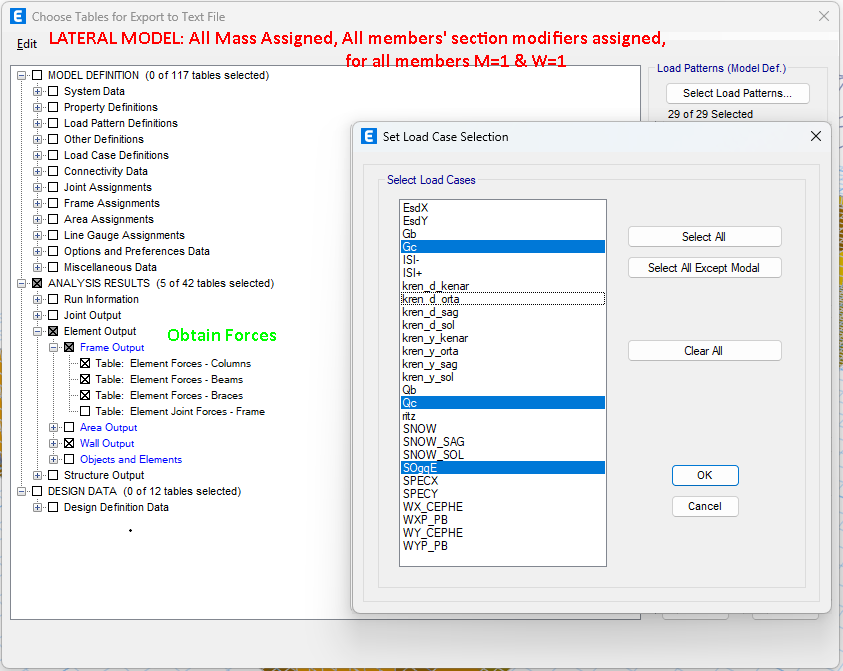
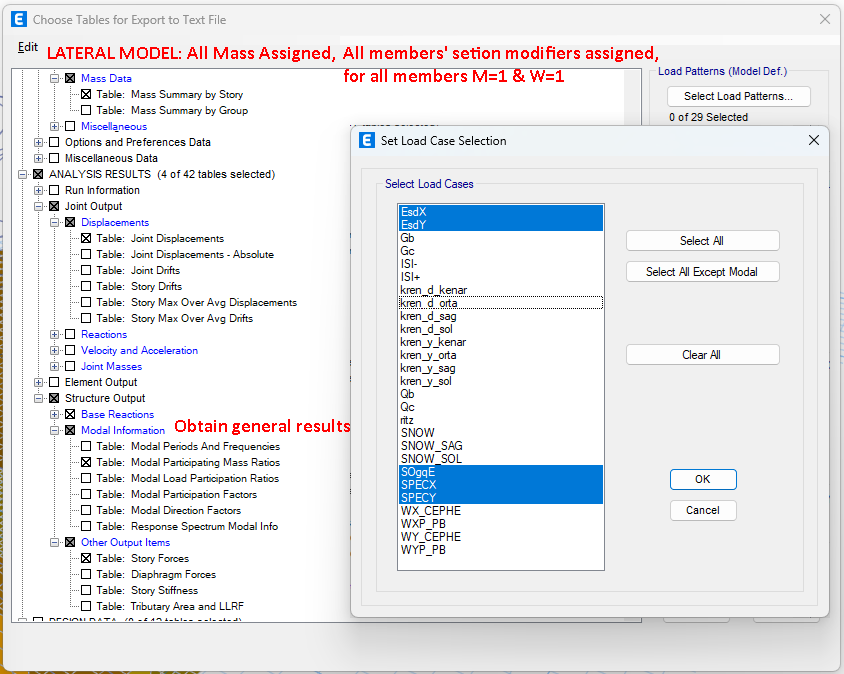
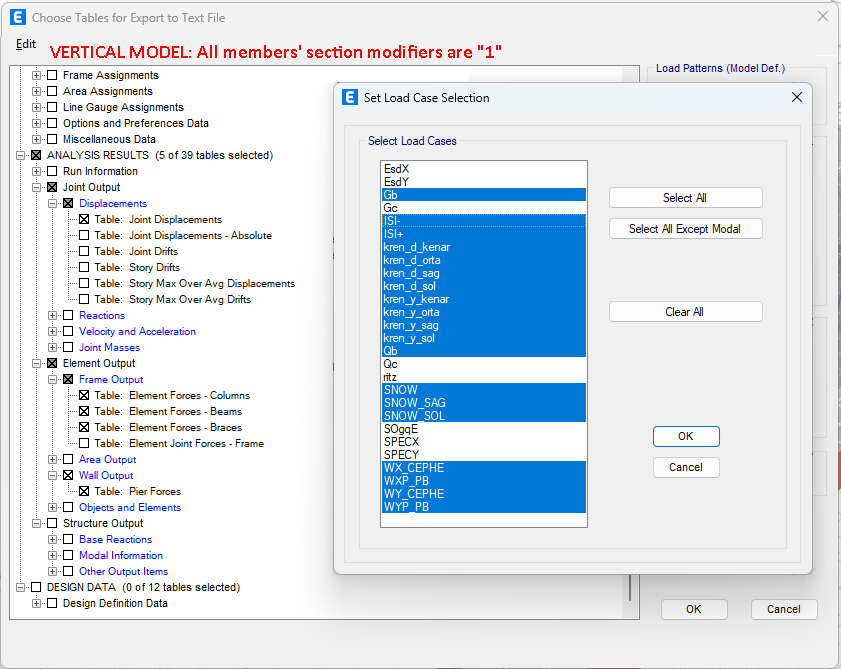
Section designs are performed using these files. You can carry out section designs using your own methods or utilize the StructPlus software. StructPlus will generate a detailed report for imported files.